プランクトンの光共生
Plankton photosymbiosis
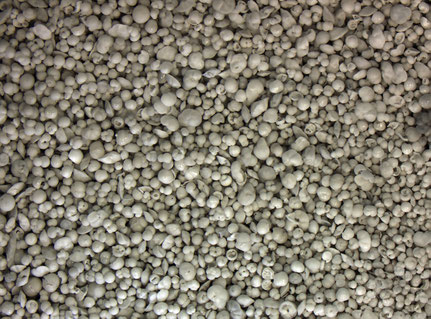
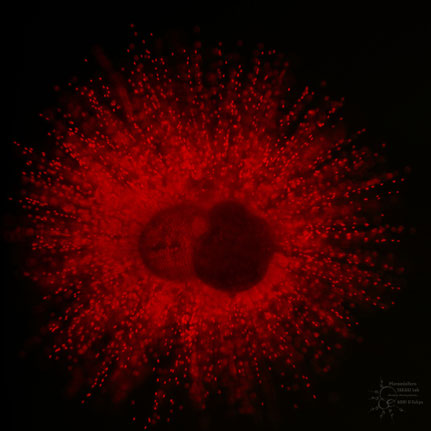
海洋に生息する単細胞プランクトンには,微細藻類と細胞内共生関係を築いている種がいます.この共生を「光共生」と呼んでいます.光共生において,宿主と共生藻でどんなやりとりがあるのか,何が関係性を制御するのかなど,特に浮遊性有孔虫に着眼して研究しています.
Some unicellular plankton living in the ocean form intracellular symbiotic relationships with microalgae. This type of symbiosis is called “photosymbiosis.” Our research focuses particularly on planktonic foraminifera, investigating the interactions between the host and its symbiotic algae, as well as the factors that regulate this relationship.
光共生の進化史
Evolutionary history of photosymbiosis
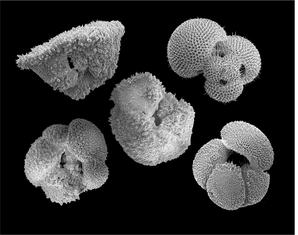
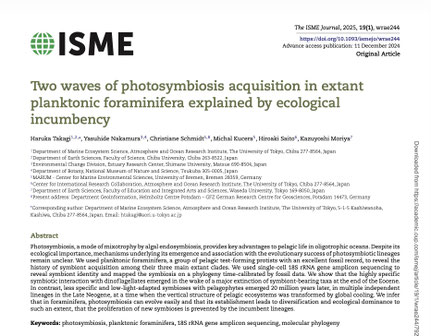
化石種においても,光共生していたと推測されるものが多くいます.では,いつから光共生関係を築いているのでしょうか.系統的に引き継がれているのか,独立にこの生態を獲得したのでしょうか.地質時代を通した,浮遊性有孔虫の光共生進化史に迫るべく研究しています.
Many fossil species are also inferred to have engaged in photosymbiosis. But when did these symbiotic relationships first emerge? Were they inherited phylogenetically, or did they evolve independently in multiple lineages? Our research aims to elucidate the evolutionary history of photosymbiosis in planktonic foraminifera across geological time.
光共生の環境適応
Adaptive response of photosymbiosis
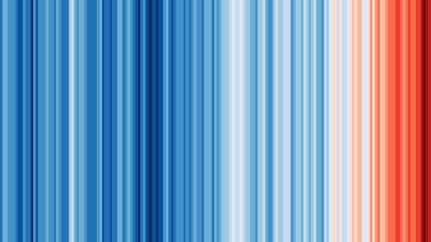
地球温暖化によって,海洋生物にも様々な悪影響が指摘されています.サンゴ礁生態系では,サンゴの「白化」と呼ばれる,光共生系の崩壊現象が頻発しすることが問題となっていますが,外洋に生息するプランクトンの光共生ではどうなのでしょうか.我々は浮遊性有孔虫の光共生系の温度に対する応答を実験的に調べています.
Global warming has been reported to have various adverse impacts on marine organisms. In coral reef ecosystems, the frequent occurrence of “bleaching,” a breakdown of photosymbiotic systems, has become a serious concern. But what about photosymbiosis in plankton inhabiting the open ocean? We are experimentally investigating the response of the photosymbiotic system in planktonic foraminifera to environmental changes such as high temperature.
浮遊性有孔虫の浮遊生態
Planktonic foraminifera as a plankton
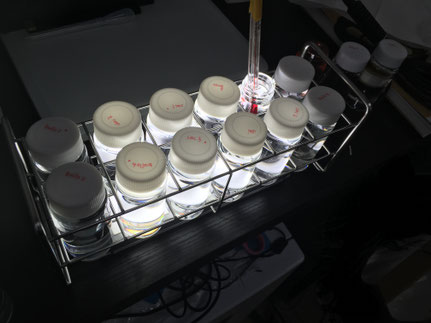
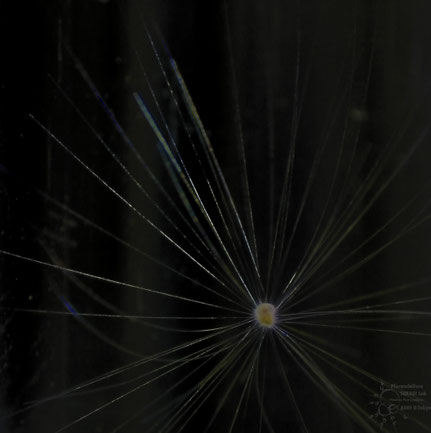
浮遊性有孔虫は,炭酸カルシウムの重厚な硬骨格を形成するという特徴を持ちながら,海洋で浮遊生活を送っています.ではどのような特徴が,彼らの浮遊を可能にしているのでしょうか.実験と理論の両面から,「浮遊性有孔虫をプランクトンたらしめているものは何か?」を研究しています.
Planktonic foraminifera are characterized by their heavy calcium carbonate tests. However, they have a floating lifestyle in the ocean. What features enable them to remain suspended in the water column? Our research explores, from both experimental and theoretical perspectives, the question: “What makes planktonic foraminifera plankton?”
浮遊性有孔虫の古生態Paleoecology of planktonic foraminifera
豊富な化石記録をもつ浮遊性有孔虫は,地質時代を通じた生物の進化や環境との関係を研究する格好の材料です.浮遊性有孔虫の過去約1億年にわたる多様性変動には,どのようなメカニズムがはたらいてきたのか,環境要因に加え,種の生態にも着眼して研究しています.
With their abundant fossil record, planktonic foraminifera provide an ideal material for studying the evolution of life and its relationship with the environment over geological time. Our research investigates the mechanisms underlying diversity changes in planktonic foraminifera over the past ~100 million years, focusing not only on environmental factors but also on the ecological traits of the species.